Indian Wedding Traditions
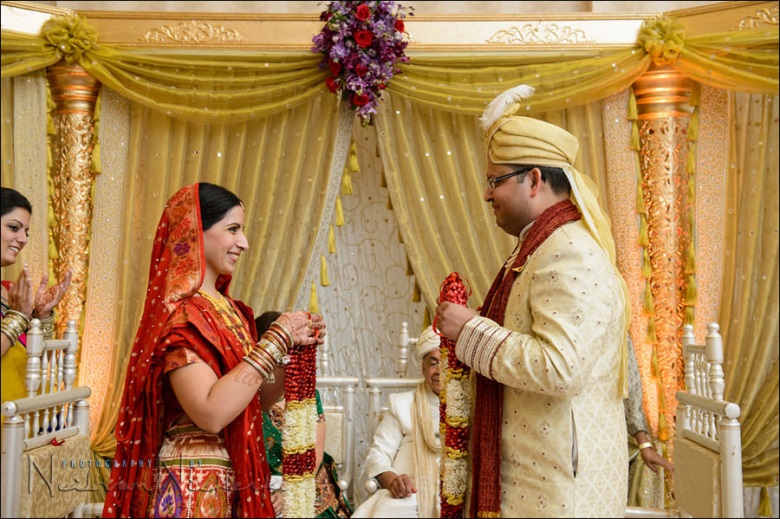
Whether you are enjoying your own Indian wedding, a themed wedding or are attending an Indian wedding of a friend, the customs and traditions are fascinating to explore. The Indian culture (made up mostly of Hindu, Buddhist and Islamic traditions) is a complex, age-old one, giving it a very special sense of heritage.
Some of the more interesting wedding traditions in India follow:
- Indian weddings are generally about the entire family and not just the bride and groom. Therefore, everyone tends to participate in the celebrations and traditions.
- In most traditions, particularly the older, more conservative cultures, the parents choose who their child will marry. However, their son or daughter is given the opportunity to agree or disagree with their choice.
- According to Gujarati tradition, the mother of the bride must try to catch the groom’s nose on the arrival of the baraat or Barat (the groom’s wedding procession). This is to remind him that he is now responsible for the happiness and well-being of her daughter.
- The hands of some brides and grooms are covered in sacred cloth in a bid to protect them from evil omens.
- In the Hindu religion, the sisters-in-law of the groom will hide his shoes and demand money before they reveal where they are.
- Punjabi brides will wear a set of red and ivory bangles called a Chuda. These have been made by a brother of her mother’s and are intended to bring good luck to the couple.
- Another Punjabi tradition dictates that brides wear Kaleeras, which are ornaments that are tied to the Chuda. She shakes this over the heads of any unmarried, female family members. If one of the ornaments falls off the Chuda and onto the head of one of the girls, it is expected that she will be the next to marry (the Punjabi version of throwing the bouquet).
- Hindu couples are expected to undergo a cleansing ceremony on the morning of their wedding day. This is known as Pithi, and involves rubbing a paste of chickpeas, turmeric, rose water and other ingredients onto the bride and groom. This is done separately, in the individual homes of each member of the couple. This is a beautification ritual.
- After the wedding, the groom takes his wife to their new home, only to find that his sisters have blocked the entrance. The only way they will let the couple in is if the groom pays them.
- In addition to the traditional exchanging of the rings, sweets and garlands are also frequently exchanged between the bride and groom.
- Hindu brides undergo a ceremony in which henna is painted on their hands and feet. The family members are also privy to this part of the tradition and this henna painting is complemented by traditional song and dance. This tradition is some 5000 years old.
- The Punjabi, Marwari and Gujarati cultures enjoy a Sangeet party, which is a large celebration that is enjoyed by all. Food, refreshments, music and dancing characterise this occasion.
- Hindu wedding ceremonies can take several hours to complete.
Photo Credit: oneperfectmoment.com